Save 38%
P&H Casters
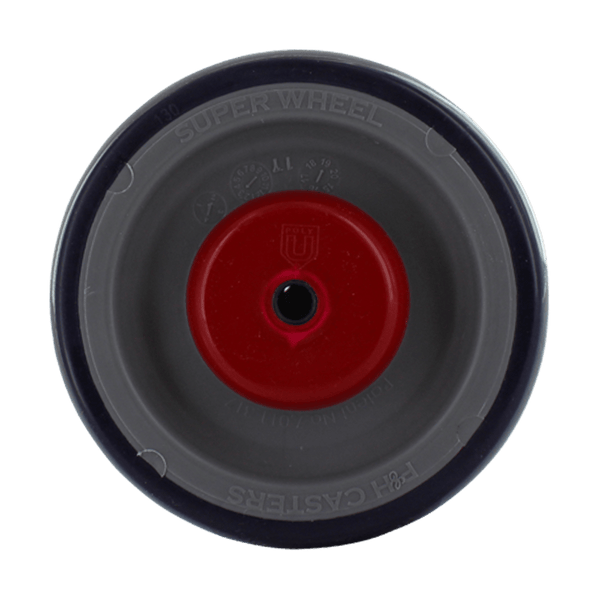
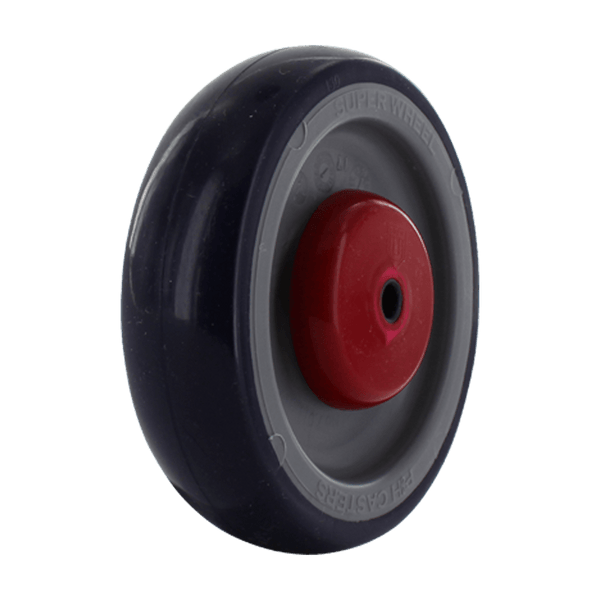
OEM Shopping Cart Wheel | WI3054JFW
$10.99$17.99
In stock · ships today

Anti-rollaway rear wheels solve the runaway-cart problem in store parking lots. Instead of a precision ball bearing, they run a friction bearing — the cart still rolls under push force, but resists rolling on its own when parked on a sloped lot.
The P&H Walmart fleet rear wheel is the WI3054JFW. Standard practice on a Walmart Supercenter cart is two anti-rollaway WI3054JFW wheels on the rear corners paired with two anti-static WI3054GDW wheels on the front corners. If you're replacing rear wheels and they don't have any resistance, you bought non-anti-rollaway wheels by mistake.
If you can send a photo of the existing wheel and a measurement across the tread, our fitment team will confirm the exact match within minutes during business hours. There is no upcharge for fitment review.
Top questions from store-ops teams and refurbishers.
Lay a ruler across the face of the wheel from one outside edge to the other, through the center of the axle. That is the wheel diameter. Then measure the axle hole through the hub center: most US carts are 5/16 inch, but some specialty carts use 1/2 inch. Tread width is the thickness from inside face to outside face. Full measuring guide.
Polyurethane lasts longer, handles higher loads, and resists flat spots from parked carts. Rubber is quieter on hard floors and slightly cheaper. TPR (thermoplastic rubber) sits in between. For high-traffic stores, polyurethane is almost always the better long-term cost. Material comparison.
Yes. Volume tier pricing applies automatically at 50, 200, and 500+ wheels. Multi-store fleets get dedicated reps, NET-30, EDI, and custom packaging. Fleet program details.
Orders placed by 3:00 PM Central Time ship the same business day from Mansfield, TX. Most US destinations receive standard ground in 1–5 business days.