Save 25%
P&H Casters
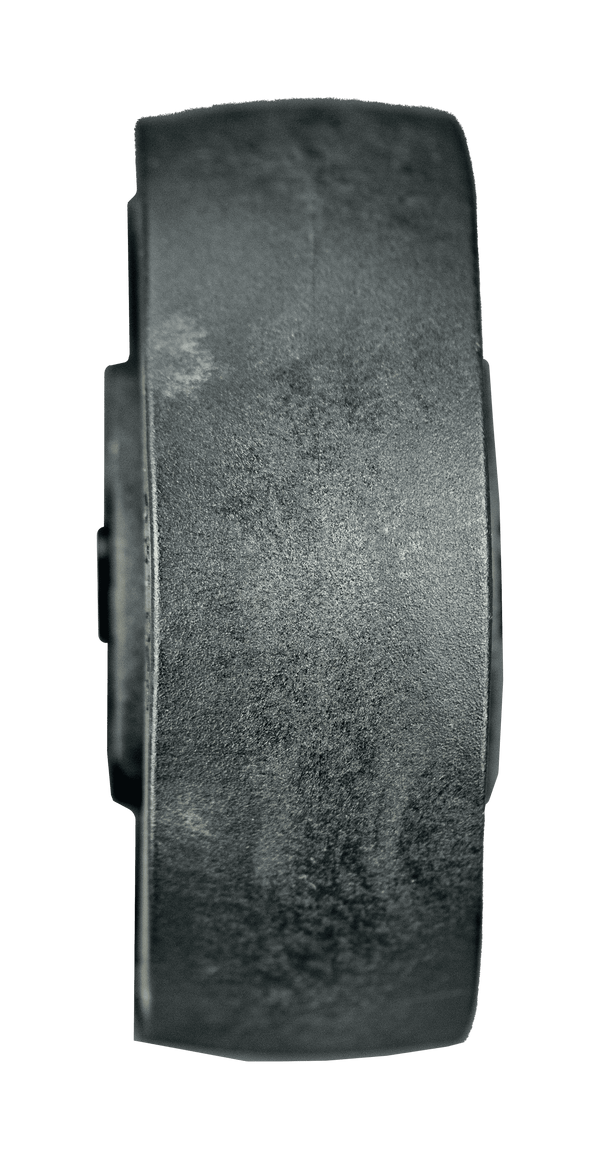
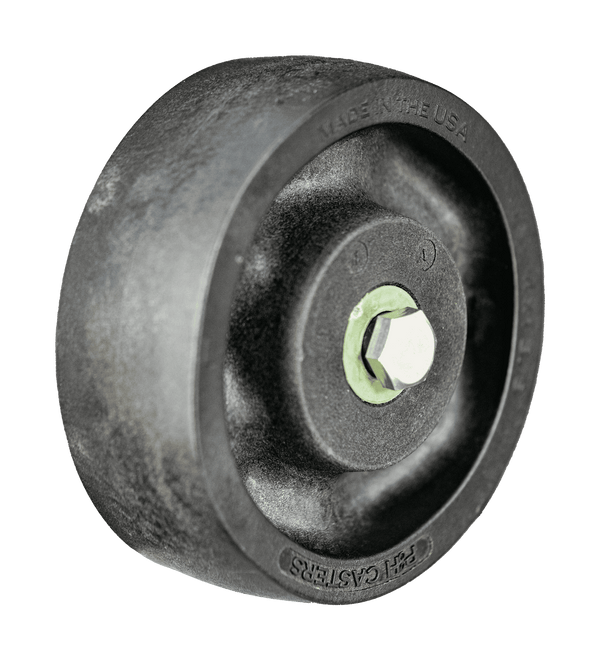
OEM P&H 4″ Phenolic Wheel — High-Temperature Bakery Spec | WH2040BG3C
$19.99$26.99
In stock · ships today

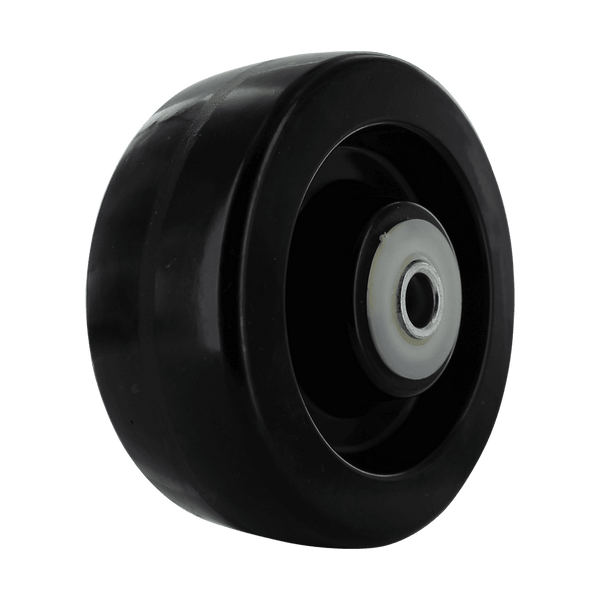
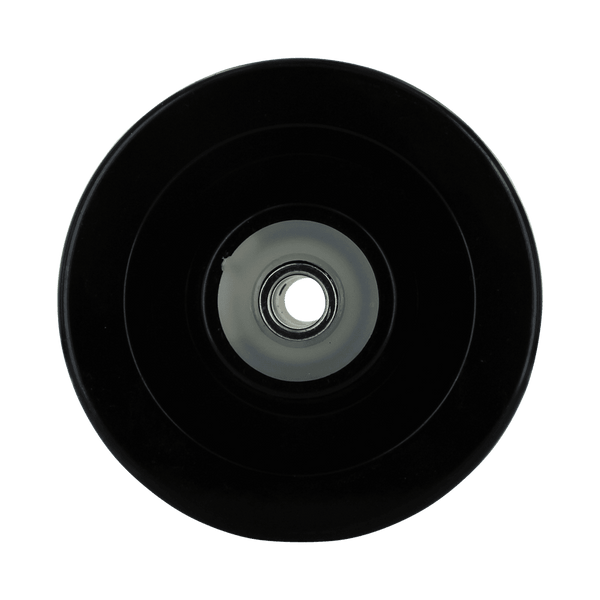
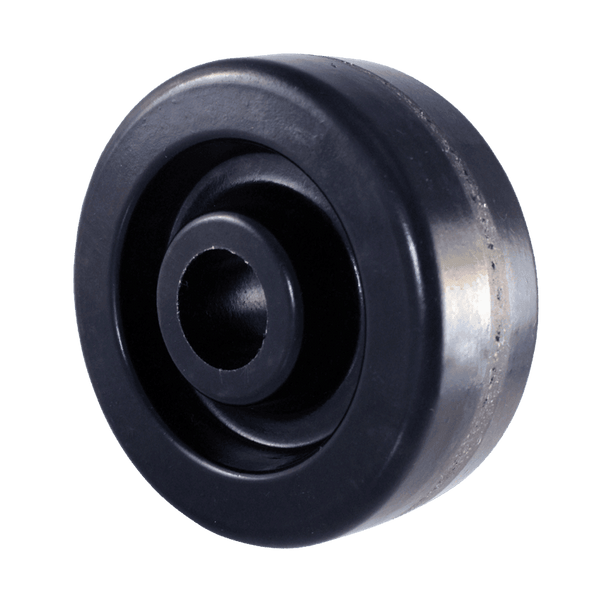
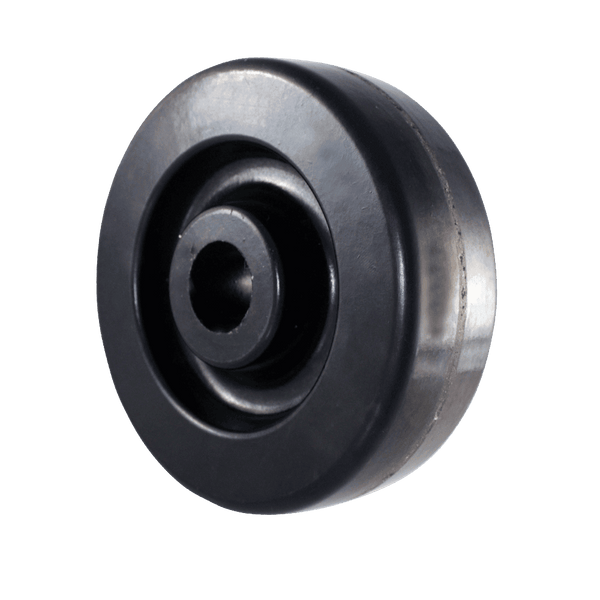
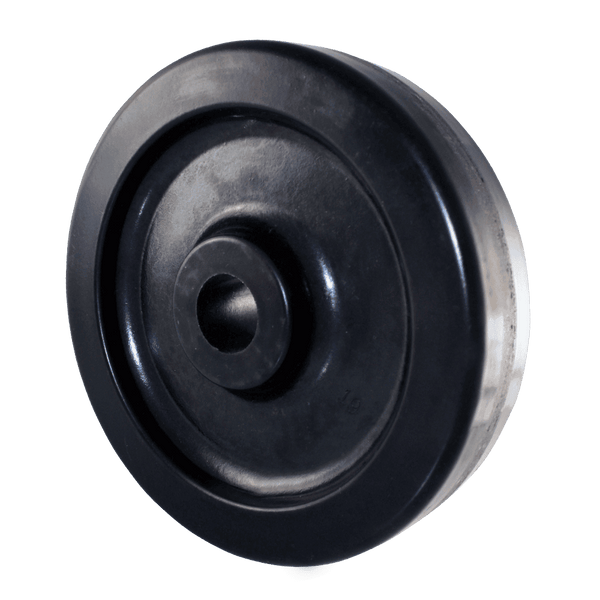
Phenolic resin wheels are rated for sustained high temperature — bakery oven racks, dishwasher carts, autoclave trays, and other applications where polyurethane and rubber would soften or melt. The wheel is a single-piece phenolic compound with a steel or plain bearing hub.
P&H phenolic wheels (WL4052BZ, WL4062BZ, WL4082BN) carry the bakery, dishwasher, and high-cycle commercial-kitchen spec. The 4-inch WH2040BG3C is the bakery oven rack wheel — purpose-built for in-oven rack positions where the wheel sees full bake-cycle temperature. Phenolic doesn't roll as quietly as polyurethane and isn't appropriate for customer-facing retail floor applications, but for back-of-house heat-exposure environments it's the only spec that holds up.
If you can send a photo of the existing wheel and a measurement across the tread, our fitment team will confirm the exact match within minutes during business hours. There is no upcharge for fitment review.
Top questions from store-ops teams and refurbishers.
Lay a ruler across the face of the wheel from one outside edge to the other, through the center of the axle. That is the wheel diameter. Then measure the axle hole through the hub center: most US carts are 5/16 inch, but some specialty carts use 1/2 inch. Tread width is the thickness from inside face to outside face. Full measuring guide.
Polyurethane lasts longer, handles higher loads, and resists flat spots from parked carts. Rubber is quieter on hard floors and slightly cheaper. TPR (thermoplastic rubber) sits in between. For high-traffic stores, polyurethane is almost always the better long-term cost. Material comparison.
Yes. Volume tier pricing applies automatically at 50, 200, and 500+ wheels. Multi-store fleets get dedicated reps, NET-30, EDI, and custom packaging. Fleet program details.
Orders placed by 3:00 PM Central Time ship the same business day from Mansfield, TX. Most US destinations receive standard ground in 1–5 business days.