Save 30%
P&H Casters
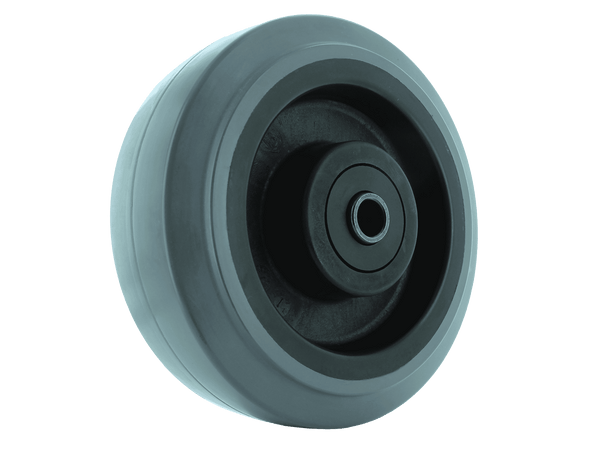
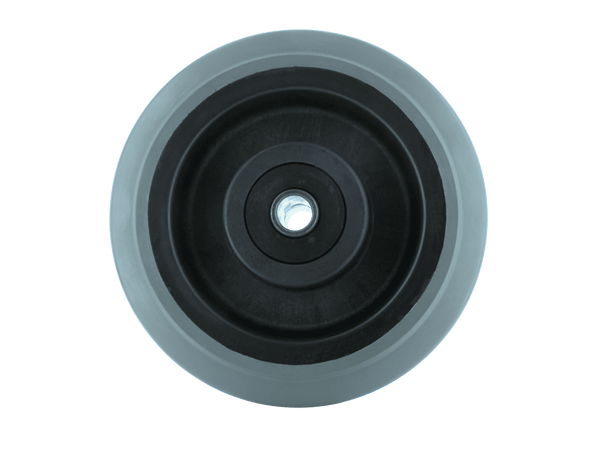
OEM P&H 6″ Pneumatic Wheel — Outdoor Garden Cart | WI4063EP
$34.99$49.99
In stock · ships today

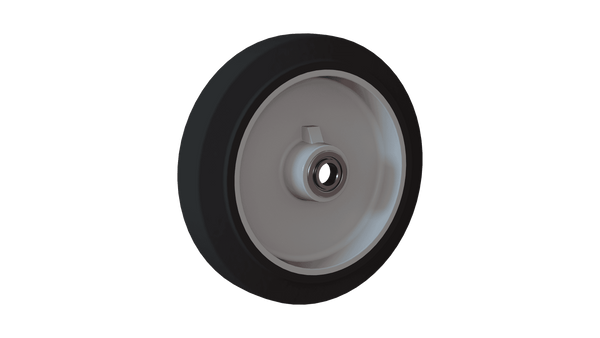
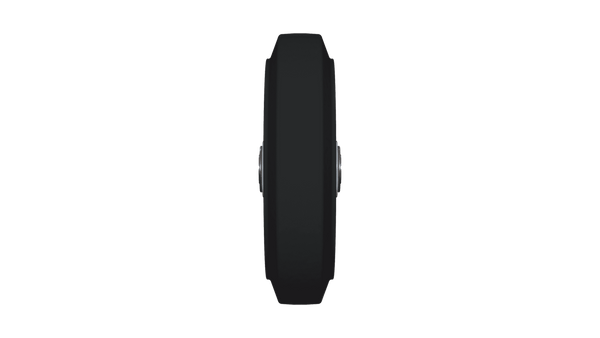
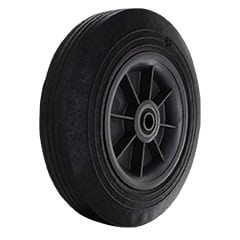
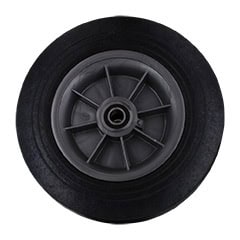
Rubber tread is the soft, cushioned alternative to polyurethane for cart applications where shock absorption matters more than maximum load rating. Most common on outdoor carts that roll over rough concrete, asphalt, gravel, and paver surfaces — the rubber compresses to absorb impact that solid polyurethane would transmit straight to the cart frame.
The trade-off is durability and load capacity: rubber treads scuff faster than polyurethane on outdoor concrete and are typically rated 100-200 lb per wheel where polyurethane handles 250-400 lb. For most outdoor cart applications, pneumatic (air-filled rubber) is the better pick because the air cushion adds shock absorption without sacrificing load rating. Solid rubber tread is the right choice for indoor applications where noise reduction and floor protection matter — hospital corridors, school hallways, hotel housekeeping carts in carpeted public spaces.
If you can send a photo of the existing wheel and a measurement across the tread, our fitment team will confirm the exact match within minutes during business hours. There is no upcharge for fitment review.
Top questions from store-ops teams and refurbishers.
Lay a ruler across the face of the wheel from one outside edge to the other, through the center of the axle. That is the wheel diameter. Then measure the axle hole through the hub center: most US carts are 5/16 inch, but some specialty carts use 1/2 inch. Tread width is the thickness from inside face to outside face. Full measuring guide.
Polyurethane lasts longer, handles higher loads, and resists flat spots from parked carts. Rubber is quieter on hard floors and slightly cheaper. TPR (thermoplastic rubber) sits in between. For high-traffic stores, polyurethane is almost always the better long-term cost. Material comparison.
Yes. Volume tier pricing applies automatically at 50, 200, and 500+ wheels. Multi-store fleets get dedicated reps, NET-30, EDI, and custom packaging. Fleet program details.
Orders placed by 3:00 PM Central Time ship the same business day from Mansfield, TX. Most US destinations receive standard ground in 1–5 business days.