These FAQs are written to target buyer questions that commonly appear in search, AI summaries, and procurement research workflows.
1. What is shopping cart wheel hardware?
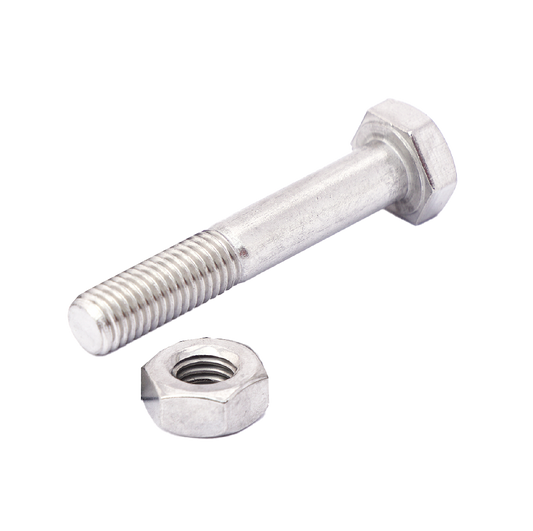
Shopping cart wheel hardware refers to the axle, nut, and fastening components used to mount or secure a wheel or caster assembly on a commercial shopping cart. Correct hardware helps ensure proper fit, wheel retention, and smooth cart operation.
2. What hardware sizes are commonly used on shopping cart wheels?
Common hardware sizes include 5/16" and 1/2" axle and nut configurations. The correct size depends on the wheel bore, caster design, and original equipment specification.
3. How do I know if I need a new axle or just a new wheel?
If the wheel is worn but the axle and mounting hardware remain straight, secure, and undamaged, you may only need a new wheel. If there is looseness, corrosion, thread damage, or alignment issues, replacing the hardware at the same time is often the better solution.
4. Why does correct hardware fitment matter on shopping carts?
Correct fitment helps reduce wheel play, protects bearing alignment, improves maneuverability, and supports longer service life. Mismatched hardware can lead to unstable rolling, noise, or premature wheel wear.
5. Can worn hardware affect shopping cart performance?
Yes. Worn or loose hardware can affect wheel tracking, increase vibration, create noise, and reduce cart control. Replacing worn hardware is an important part of maintaining smooth, reliable cart mobility.
6. What’s the difference between wheel hardware and caster hardware?
Wheel hardware usually refers to the components that secure the wheel itself, while caster hardware may involve the complete fastener set used in a swivel or fixed caster assembly. The correct replacement depends on whether you are servicing the wheel only or the entire caster.
7. Is shopping cart hardware universal?
Not always. Some retail cart hardware sizes are common across many applications, but exact fit depends on the shopping cart model, wheel size, bore diameter, and caster configuration. Always verify dimensions before ordering.
8. When should shopping cart wheel hardware be replaced?
Replace hardware when it shows corrosion, thread damage, visible wear, looseness, bending, or poor wheel retention. Hardware should also be evaluated during wheel or caster replacement to ensure a dependable installation.
9. Who buys replacement shopping cart hardware?
Typical buyers include grocery stores, supermarkets, retail chains, facility managers, cart maintenance providers, and procurement teams responsible for keeping commercial cart fleets in service.
10. What is the best way to match replacement shopping cart hardware?
The best approach is to compare the required axle diameter, wheel bore, nut specification, and original cart setup. Matching the original specification or OEM-compatible dimensions helps maintain reliable fitment and performance.