Save 25%
P&H Casters
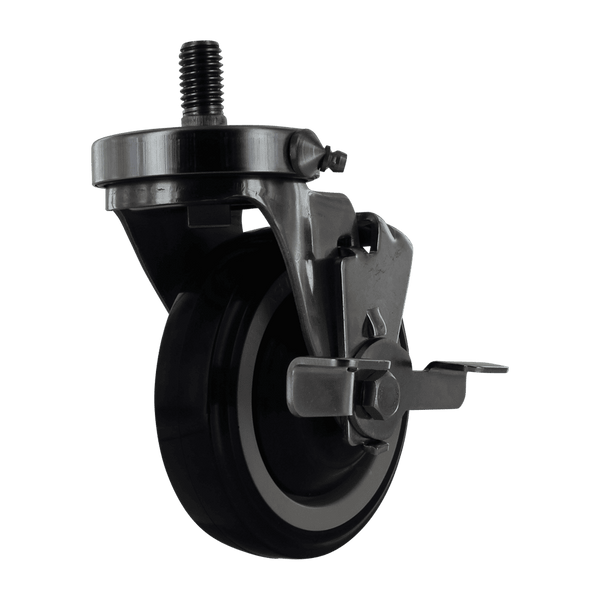
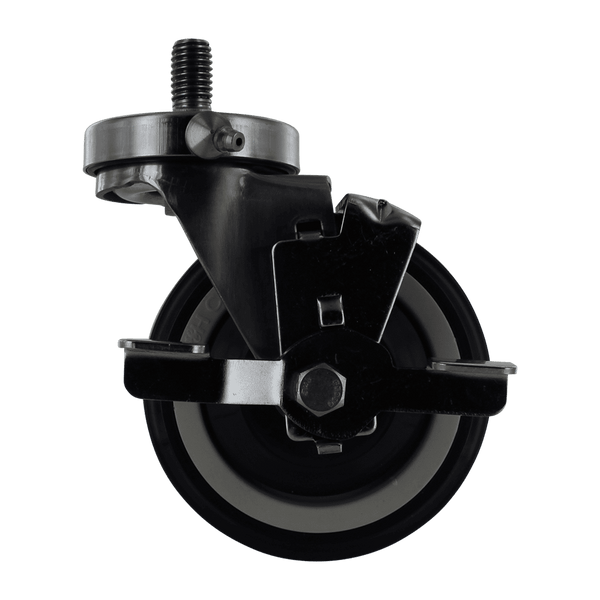
OEM P&H 4″ Stainless Steel Stem Caster with Brake | T30C141CLDTB
$44.99$59.99
In stock · ships today

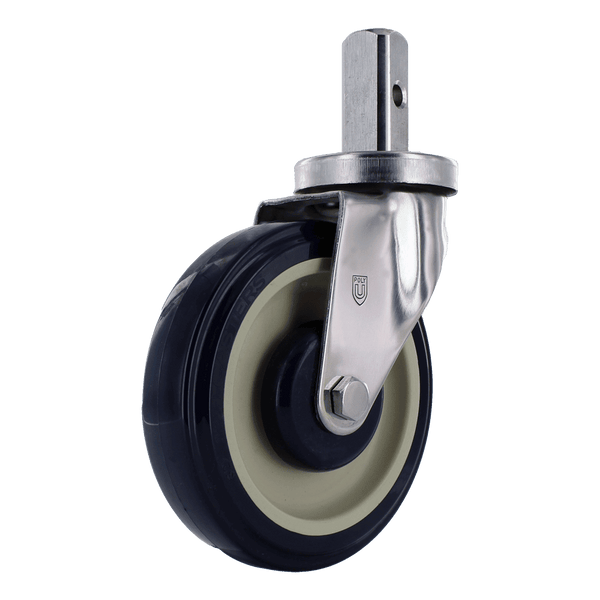
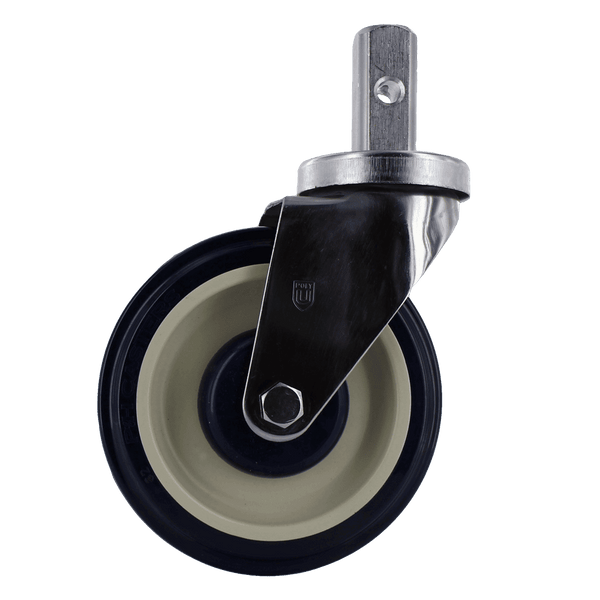
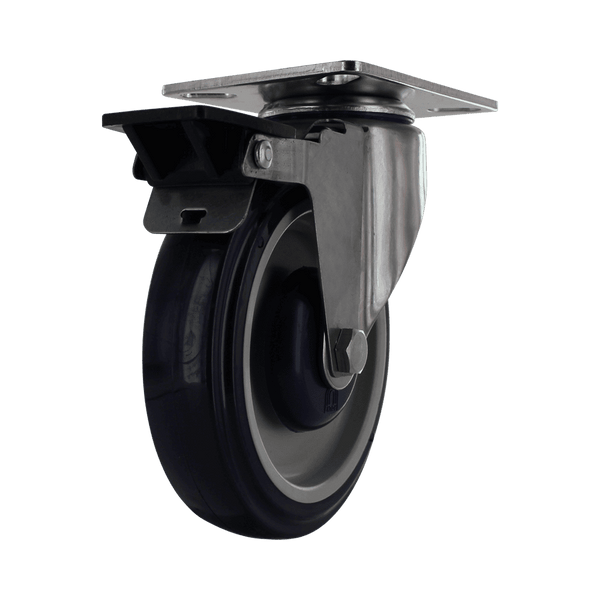
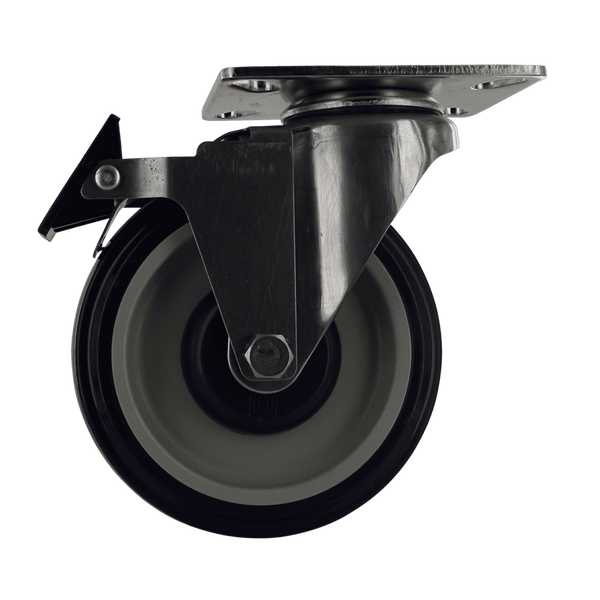
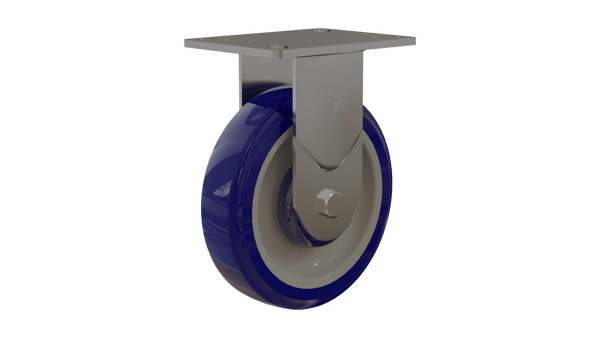
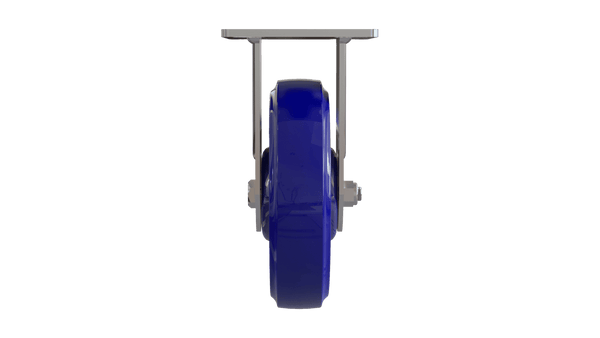
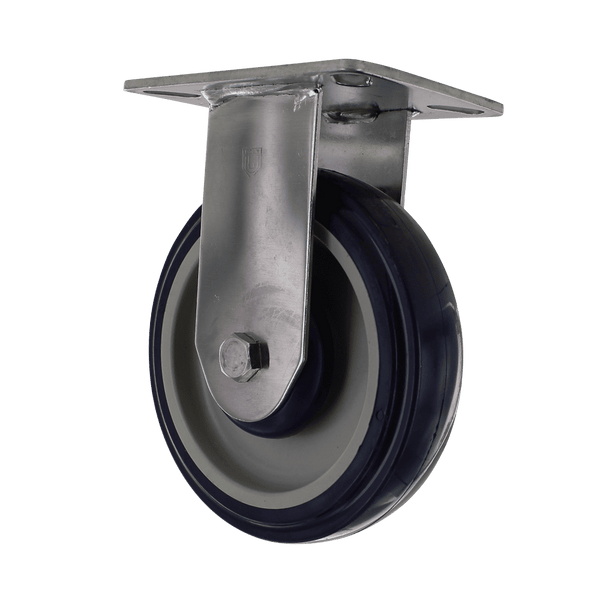
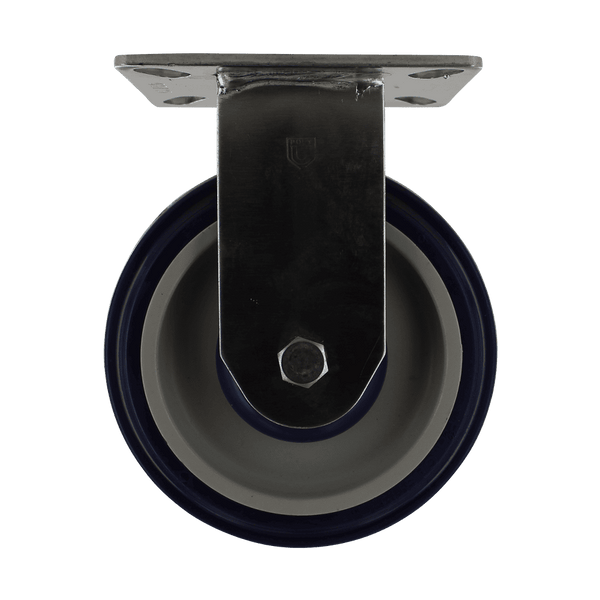
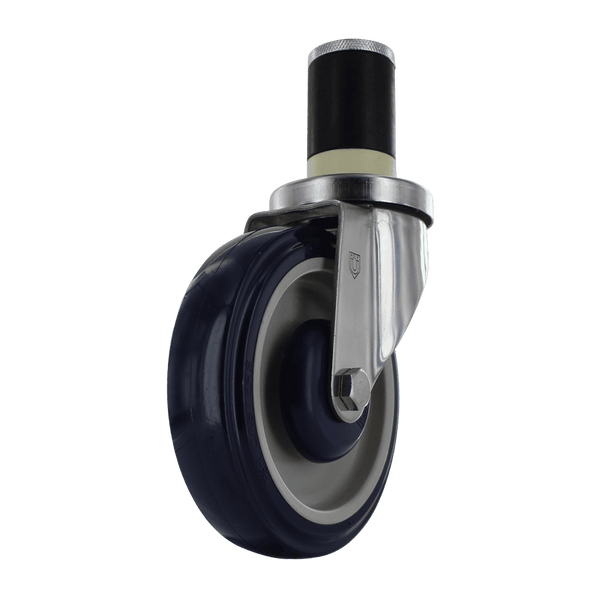
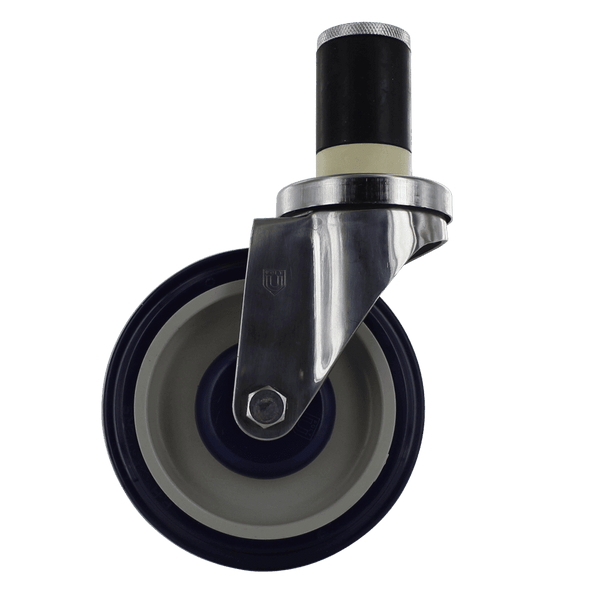
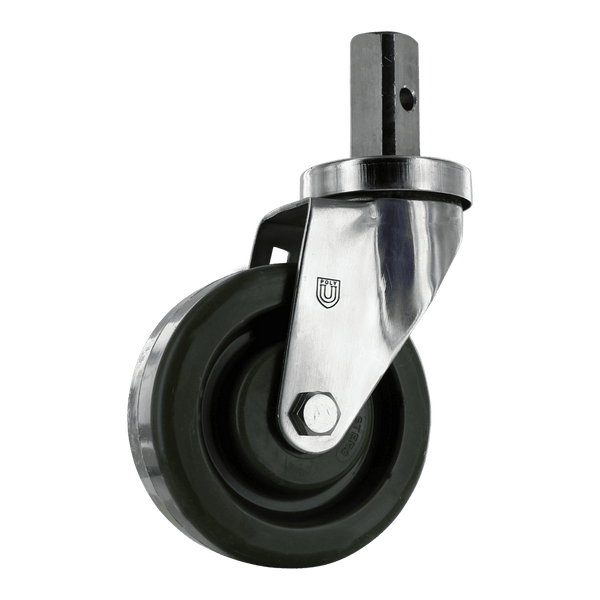
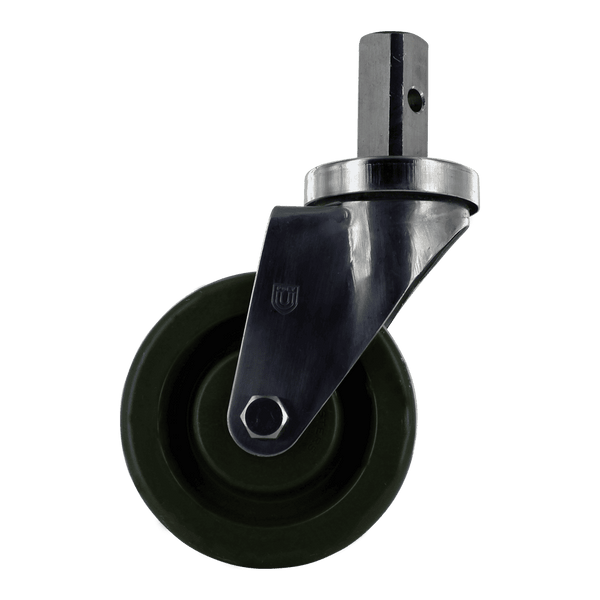
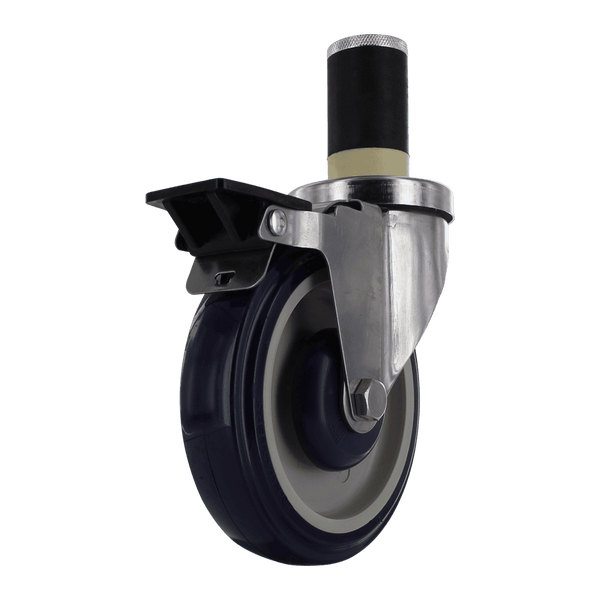
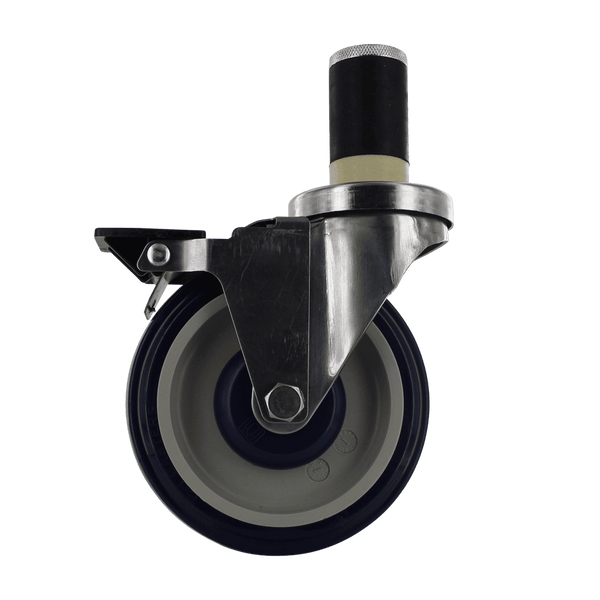
Stainless steel casters are specified anywhere standard zinc-plated steel would oxidize: wet meat-room and dish-room carts, marine and dock environments, food-prep stations with frequent wash-down, chemical and pharmaceutical handling, and any application where corrosion would compromise the cart frame within months.
P&H stainless line uses Type 304 yokes with stainless axles and lock nuts. The polyurethane tread spec is the same as the standard CLPL/CLDE family — only the metalwork changes. Common SCW fitments: T20P254CLDT (5-inch swivel) and T22P254CLDT (5-inch rigid) for utility carts, T20S254CL7T (stem-mount) for mop buckets and stainless equipment frames, T20X654CLDT (6-inch plate) for queen mary food-service trucks, and T30C141CLDTB (4-inch stem with brake) for sanitation cart corners.
If your cart frame is stainless and the existing casters are zinc-plated, you're going to see yoke rust within the first year. Switch to T-prefix at the next caster replacement cycle.
If you can send a photo of the existing wheel and a measurement across the tread, our fitment team will confirm the exact match within minutes during business hours. There is no upcharge for fitment review.
Top questions from store-ops teams and refurbishers.
Lay a ruler across the face of the wheel from one outside edge to the other, through the center of the axle. That is the wheel diameter. Then measure the axle hole through the hub center: most US carts are 5/16 inch, but some specialty carts use 1/2 inch. Tread width is the thickness from inside face to outside face. Full measuring guide.
Polyurethane lasts longer, handles higher loads, and resists flat spots from parked carts. Rubber is quieter on hard floors and slightly cheaper. TPR (thermoplastic rubber) sits in between. For high-traffic stores, polyurethane is almost always the better long-term cost. Material comparison.
Yes. Volume tier pricing applies automatically at 50, 200, and 500+ wheels. Multi-store fleets get dedicated reps, NET-30, EDI, and custom packaging. Fleet program details.
Orders placed by 3:00 PM Central Time ship the same business day from Mansfield, TX. Most US destinations receive standard ground in 1–5 business days.