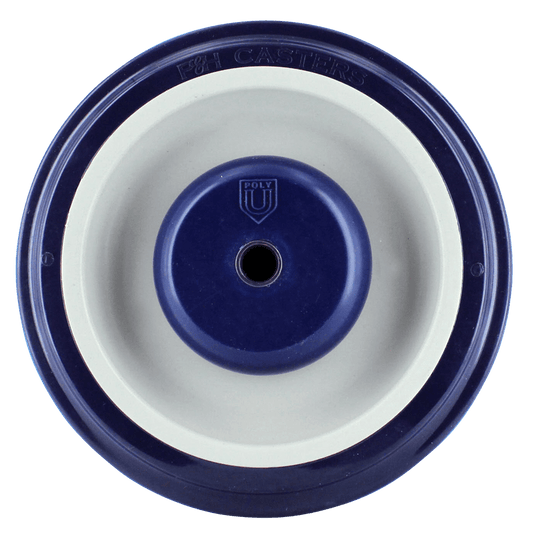
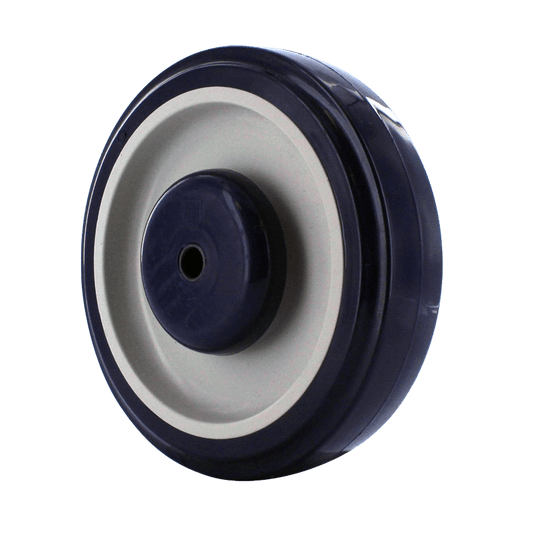
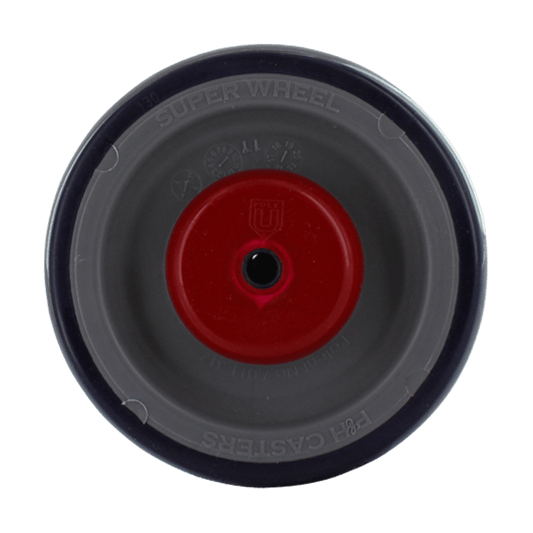
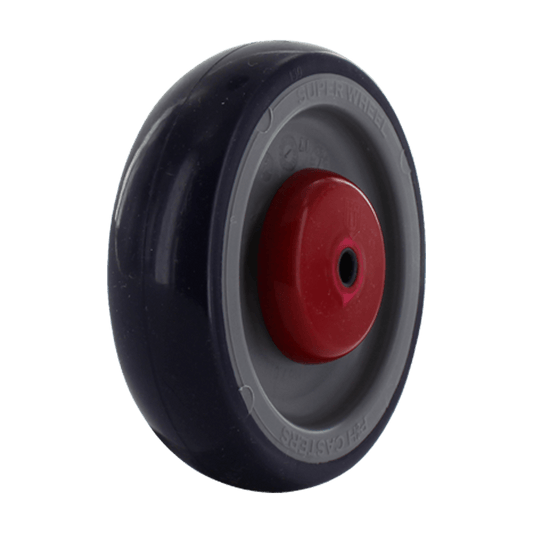
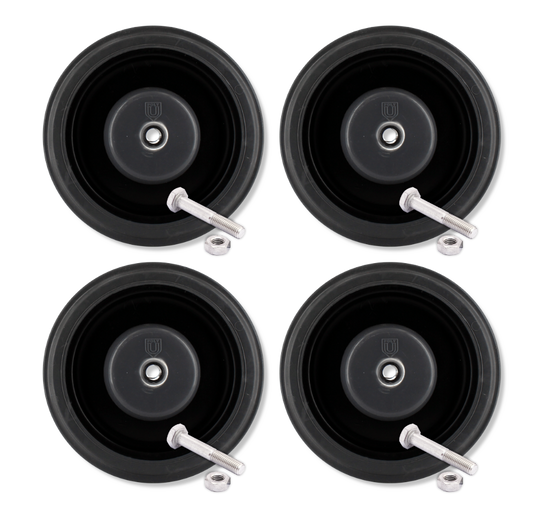
These FAQs are designed around high-intent buyer questions and search patterns commonly associated with shopping cart wheel replacement.
1. What are shopping cart wheels?
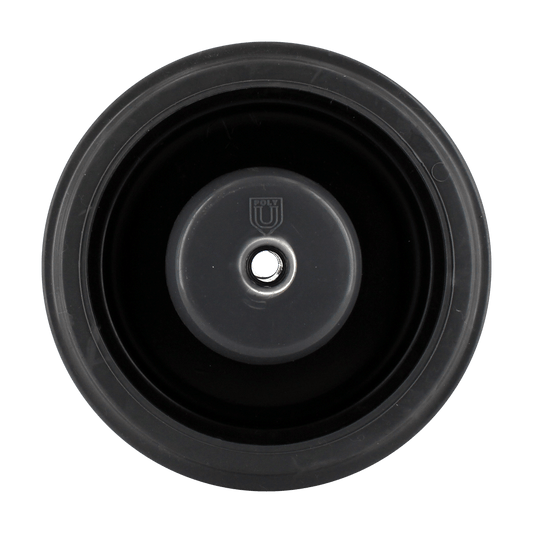
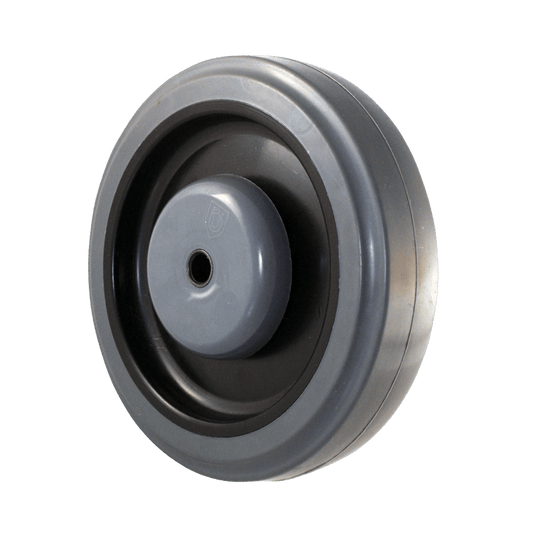
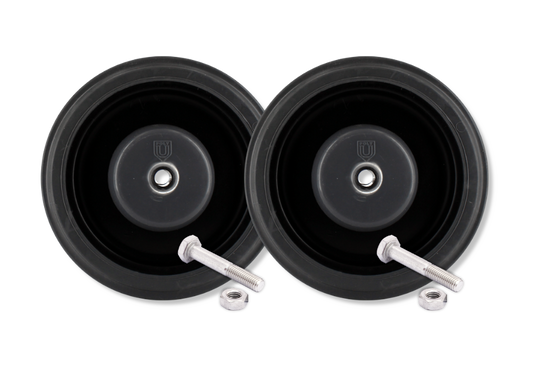
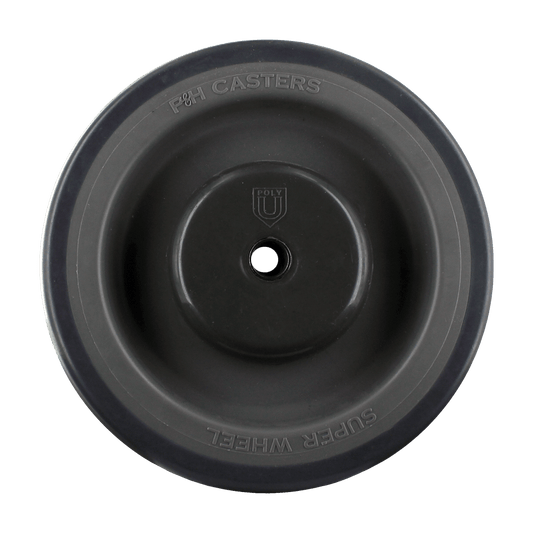
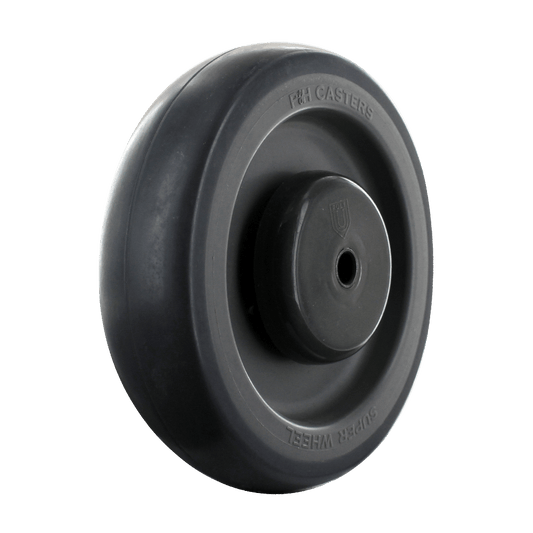
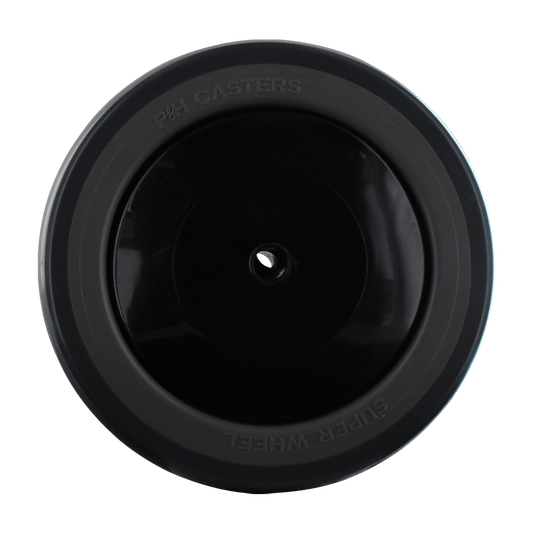
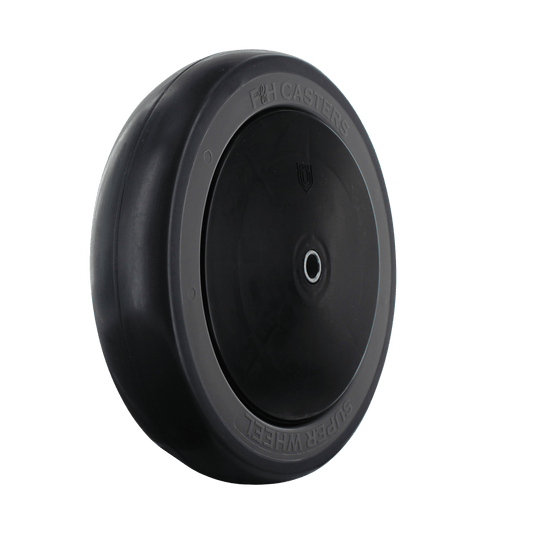
Shopping cart wheels are the rolling components used on retail carts in grocery stores, supermarkets, and commercial environments. Replacement shopping cart wheels restore smooth movement, improve cart handling, and help maintain dependable performance.
2. How do I know if my shopping cart wheels need to be replaced?
Common signs include wobbling, flat spotting, uneven rolling, excessive noise, visible wear, cracking, or carts that become harder to push and steer. These symptoms often indicate that the wheel has reached the end of its useful service life.
3. What does flat-spot resistant mean for shopping cart wheels?
Flat-spot resistant wheels are designed to reduce the formation of flat areas on the tread when carts remain loaded or stationary. This helps maintain smoother rolling and reduces wobble during use.
4. Are high load capacity shopping cart wheels better for busy stores?
In many high-traffic retail environments, higher load capacity wheels can improve durability and reduce premature wear. The correct choice depends on cart size, usage intensity, and the operating demands of the store.
5. What is the difference between a shopping cart wheel and a shopping cart caster?
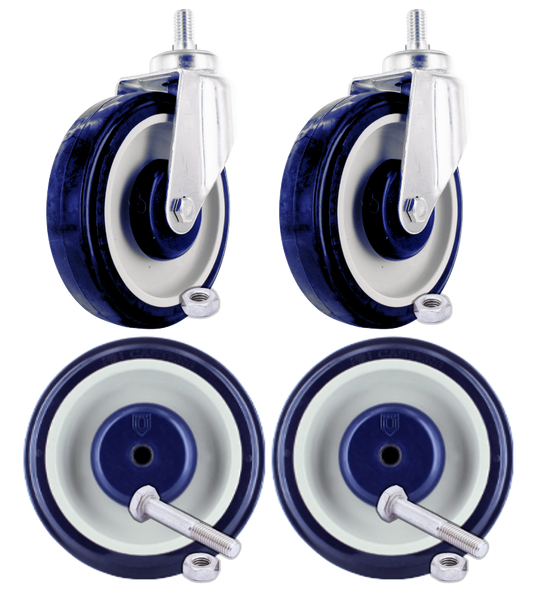
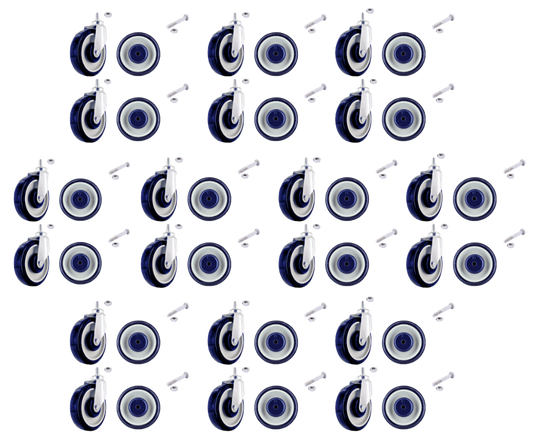
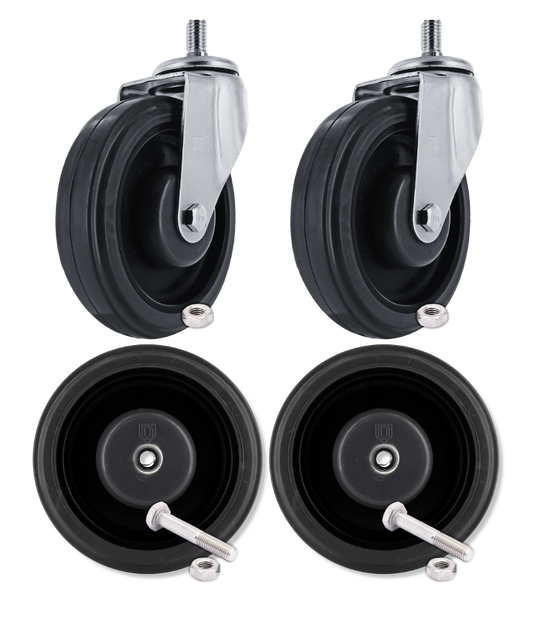
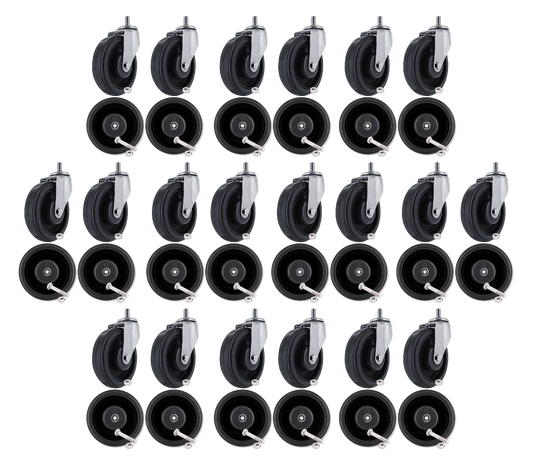
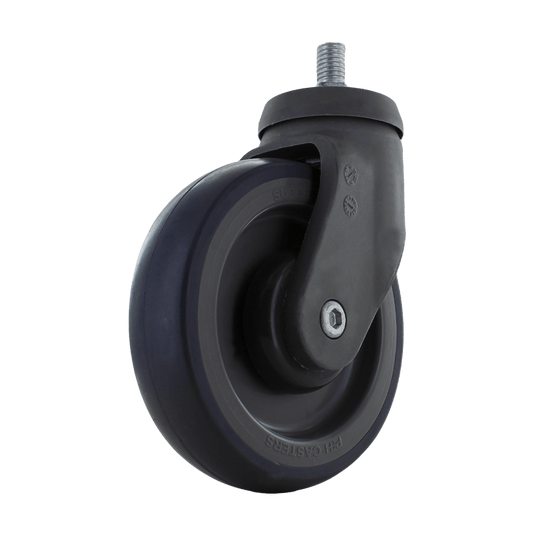
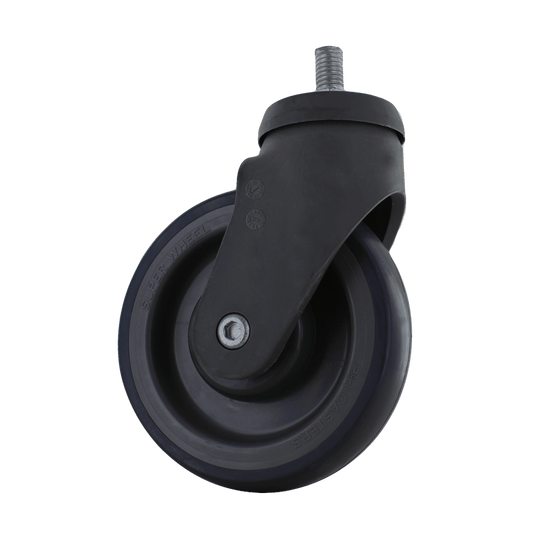
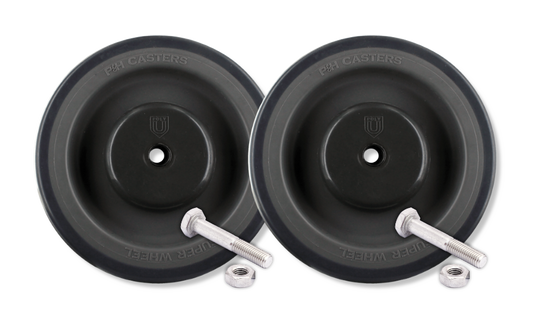
A shopping cart wheel is the wheel itself, while a shopping cart caster is the complete assembly that may include the wheel, housing, swivel section, and mounting stem. Some repairs require only the wheel, while others require the full caster.
6. Do shopping cart wheels come in different sizes and materials?
Yes. Shopping cart wheels are available in multiple sizes, materials, and performance configurations to match different cart models and operating conditions. Size and material selection affect rolling feel, durability, and compatibility.
7. What are anti-static or dissipative shopping cart wheels?
Anti-static or dissipative wheels are designed to help reduce or manage static buildup in certain applications. These options are useful where static control is part of the operational requirement.
8. Who buys replacement shopping cart wheels?
Typical buyers include grocery stores, supermarkets, retail chains, maintenance departments, procurement teams, and refurbishment providers responsible for cart fleet upkeep and customer-facing performance.
9. What should I verify before ordering replacement shopping cart wheels?
Check the wheel diameter, bore size, material requirements, load demands, and whether you are replacing the wheel only or a complete caster assembly. Matching the original spec improves fitment and performance.
10. Why is this page important for SEO and buyer intent?
This page targets direct commercial intent around shopping cart wheel replacement. It also acts as a central authority page that supports related searches around shopping cart casters, hardware, wheel performance, and OEM replacement parts.